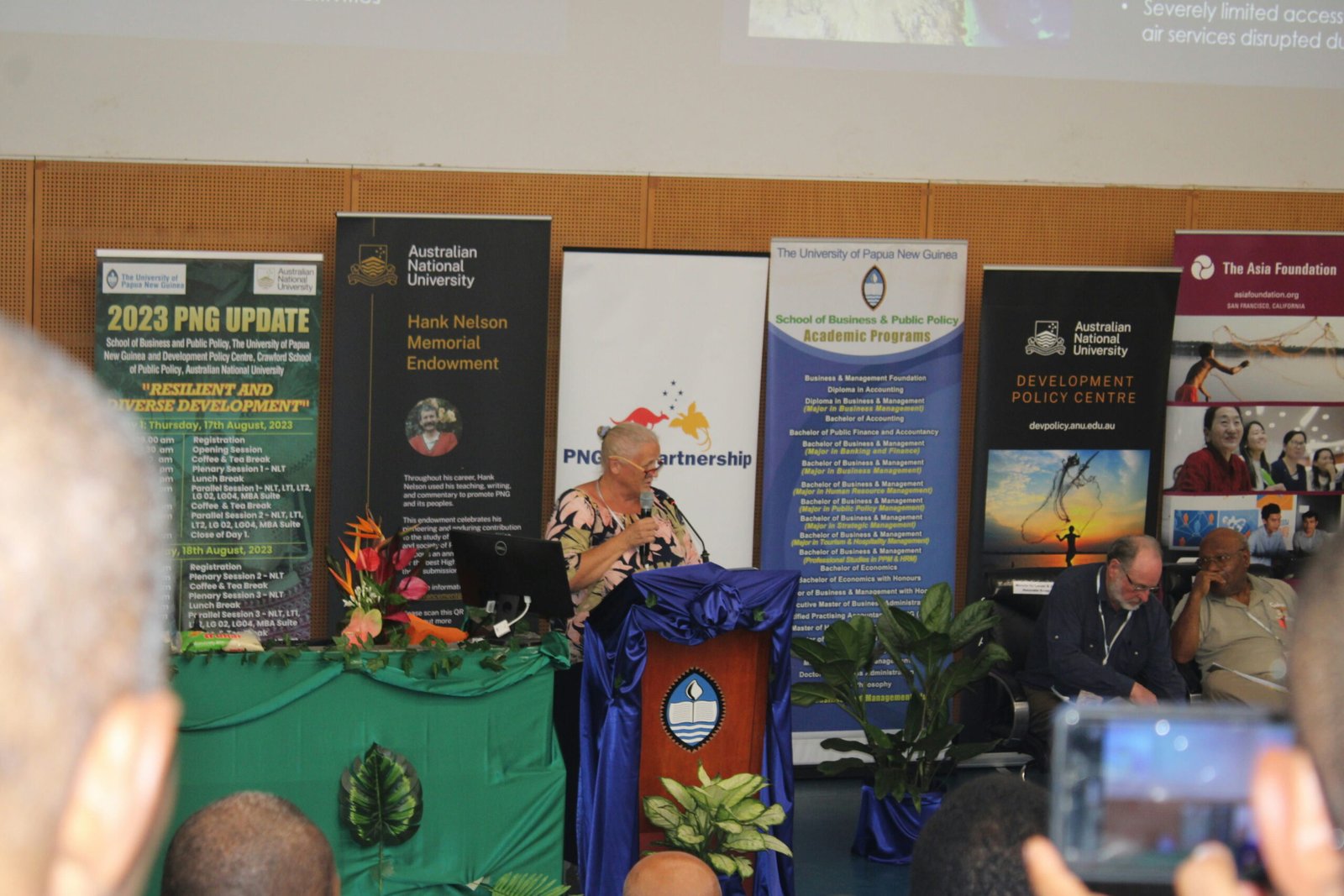
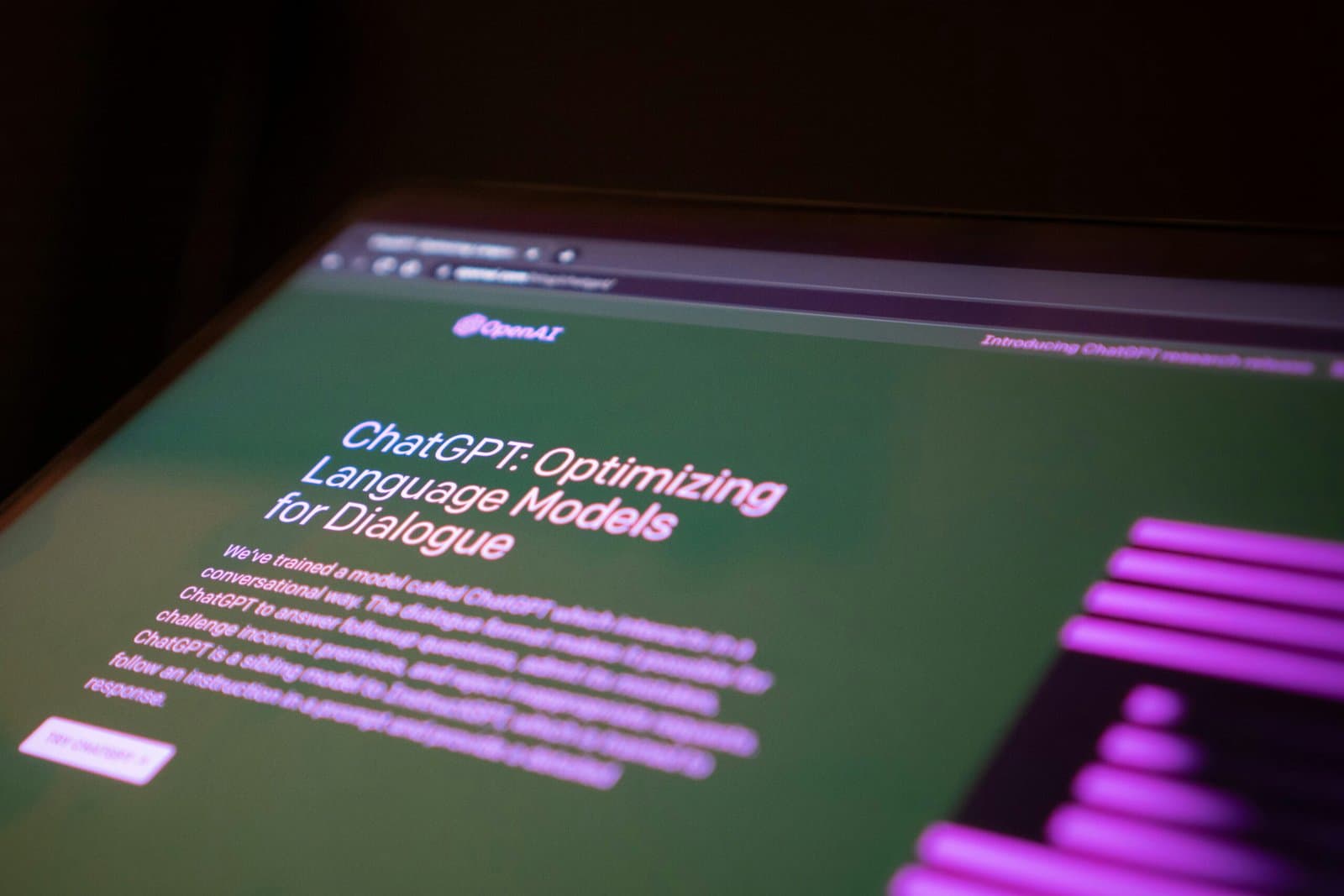
Introduction to the rise of AI and its impact on language services. The advent of artificial intelligence has reshaped almost every knowledge industry, and language services are no exception. In Kigali — one of the fastest-growing conference and technology hubs in East Africa — the change is visible in real time: automatic captions on webinars, machine translation embedded in meeting platforms, and AI-assisted drafting inside professional translation workflows.
What AI changes — and what it does not
AI has genuinely transformed the volume and speed at which language work can be produced. Machines can pre-translate large documents, generate terminology candidates, transcribe hours of audio in minutes and provide rough real-time captions. What they cannot do is take responsibility. A machine cannot decide that a figure of speech should be softened in a particular cultural context, nor can it understand why a delegate paused before answering.
Human interpreters provide cultural nuance, emotional understanding and contextual knowledge — the parts of communication that carry the most risk when they go wrong.
Learning to orchestrate AI rather than compete with it
- Build personal terminology bases so that AI suggestions match your clients’ preferred vocabulary
- Use speech recognition as note-taking support in consecutive work, then verify before delivery
- Offer post-editing of machine output as a distinct, clearly priced service
- Specialize in domains where AI performs poorly: legal argument, diplomacy, healthcare, technical negotiation
Where demand is growing in Rwanda
Kigali’s calendar of regional summits, the expansion of its financial and technology sectors, and Rwanda’s role as a host for continental institutions all generate steady demand for interpretation in English, French, Kinyarwanda and Swahili. Healthcare, tourism, education and development cooperation require skilled interpreters on a recurring basis.
The practical consequence is that generalists are under pressure while specialists thrive. Clients increasingly ask for interpreters who understand their sector, their acronyms and their culture — not merely their words.
Staying indispensable
Ongoing professional training, accreditation with recognized bodies and deliberate practice in high-stakes formats are what keep an interpreter in demand in the AI era. Add the skills no model replicates: punctuality, discretion, composure under pressure and the judgment to know when to ask a speaker to repeat a point.
Interpreters who treat these innovations as tools rather than rivals will find that AI expands rather than shrinks their market. Discover strategies for building that position — and contact BarrierFri to discuss training and partnership opportunities in Kigali and beyond.